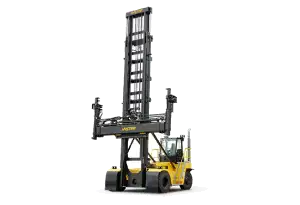
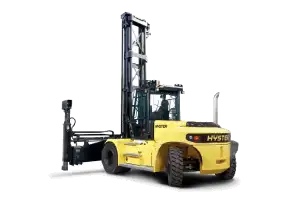
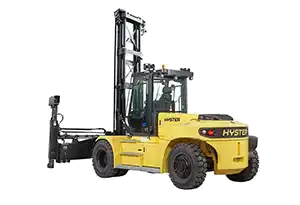
What are empty container handlers?
Empty container handlers are specialised material handling equipment designed specifically for lifting, transporting, and stacking empty shipping containers. These robust machines feature high lifting capacities, extended reach capabilities, and specialised attachments such as spreaders or twist-locks to securely grip containers. They are essential in ports, container terminals, and large logistics operations for efficient empty container management and movement.
How much does an empty container handler cost?
This varies significantly based on lifting capacity, features, and brand. Generally, prices for new models range from $200,000 to over $500,000, with high-capacity or specialised units potentially exceeding this range. Adaptalift Group offers competitive pricing and flexible financing options to accommodate various budgets. For a tailored quote, contact our sales team directly.
What is the maximum stacking height for empty container handlers?
The maximum stacking height for empty container handlers typically ranges from 5 to 8 containers high, depending on the specific model and configuration. Some advanced models can stack up to 8+1 high for double container handling. It’s important to consider your facility’s layout and operational requirements when selecting the appropriate stacking height for your empty container handler.
How do I choose the right empty container handler for my business needs?
Consider factors such as your daily container volume, required stacking height, available space, and budget. Assess whether you need single or double container handling capabilities, and consider the terrain and environmental conditions of your operation. Our experienced team can help you evaluate these factors and recommend the most suitable empty container handler.
Can empty container handlers be used in both indoor and outdoor?
Yes, empty container handlers are designed to operate in both indoor and outdoor environments. However, most are primarily used outdoors, and are built to withstand harsh outdoor conditions, including exposure to salt air in coastal areas. For indoor use, such as in large warehouses or distribution centres, smaller or specialised indoor models may be more suitable.