What are the must-have forklift safety products for warehouse operations?
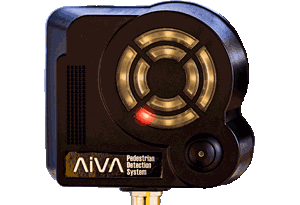
Anyone using a forklift in a warehouse must have a pedestrian detection system. These help you or your team avoid collisions and drive with more peace of mind.
Beyond this, everyone driving a forklift should have adequate PPE. This includes high-vis clothing, steel-toed boots, hard hats, and other key protective gear.
What forklift safety equipment is required for OSHA compliance?
Your site is only Safe Work-compliant if your team uses high-vis workwear, other types of PPE, seatbelts, and the right lifting attachment for the job at hand.
Pedestrian detection systems aren’t a legal requirement—but they’ll ensure your team avoids accidents that could cause serious injury, or even cost a life
Which types of forklift safety barriers protect pedestrians and equipment?
You can install special guardrails, bollards, rack protectors, and more to stop your team from accidentally bumping into people or equipment while on the move. These barriers can even create special “paths” just for forklifts. Your drivers can then carry out their work knowing other team members won’t suddenly appear.
Do forklift backup alarms and sensors really reduce workplace accidents?
Absolutely. These sensors alert drivers to nearby objects and people. Even if they aren’t too close by, this encourages drivers to stay aware of their surroundings. However, for maximum protection, you need a special vision assist system. These use AI to spot people even when they’re over eight metres away.
How often should forklift safety products be inspected or replaced?
You or your team should inspect their PPE before every use—the same goes for each machine’s safety lights, sensors, and any other built-in protective devices. You must also check any external forklift safety products on the same schedule. In addition, these tools will require thorough monthly or quarterly maintenance.